Private Events Guide
How to Plan an Afterparty at a Bar, Lounge, or Late-Night Venue
The main event ends. The night does not have to. Here is how to book a private space for the part of the evening everyone remembers most.

The Format
What an Afterparty Actually Is (and Why Venues Love Them)
An afterparty is the second act. The wedding reception ends at 11 p.m. and the bridal party wants to keep going. The company gala wraps at 10 and the executive team needs somewhere to decompress. The reunion dinner finishes and 20 people are not ready to call it a night.
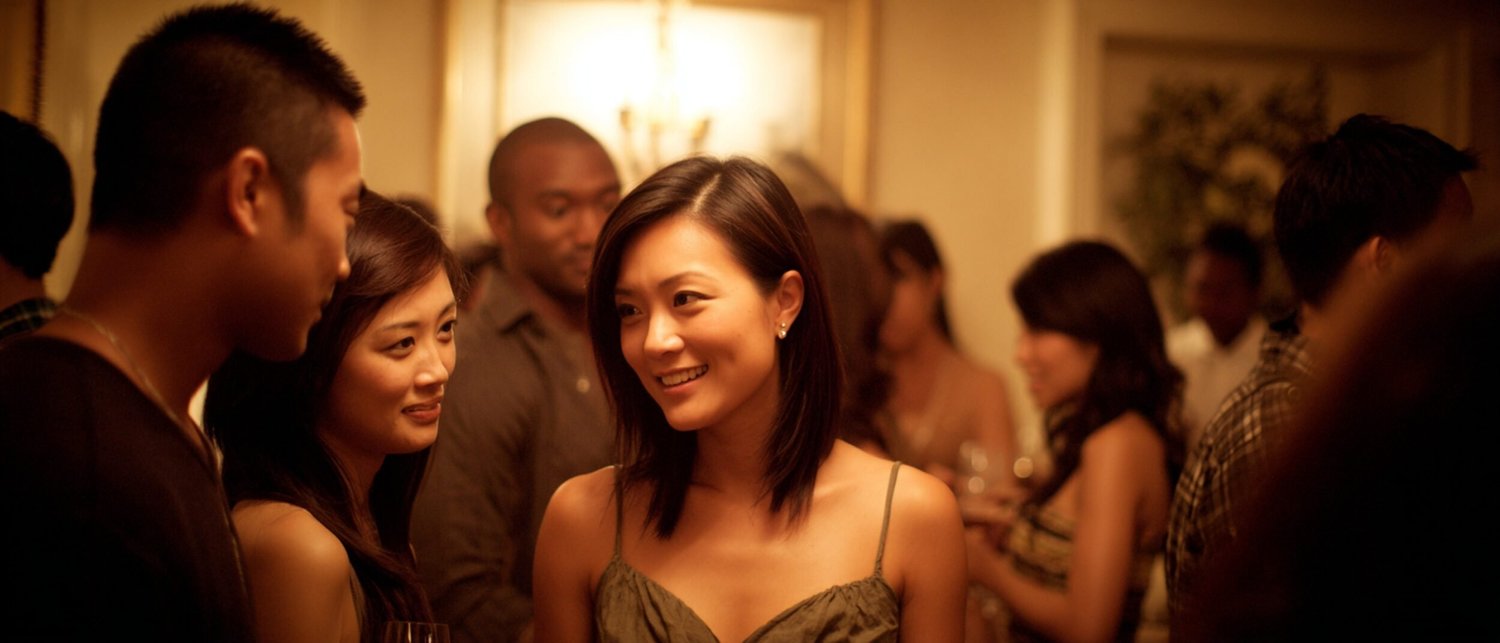
Afterparties are bar-forward, food-light, and energy-high. They run 2 to 3 hours, typically starting between 9 p.m. and midnight. The guest count is usually smaller than the main event, anywhere from 15 to 80 people. The vibe is loose, loud, and celebratory.
Venues love afterparties because they fill late-night inventory that would otherwise sit empty. A bar that has a slow Tuesday night or a restaurant lounge that clears out after 10 on a Saturday will welcome a group of 30 with a guaranteed bar spend. That dynamic works in your favor as a host: late-night bookings come with more flexibility on minimums, more willingness to customize, and faster confirmations.
The afterparty advantage
Afterparties are one of the easiest private events to book because the timing is in the venue's favor. You are asking for hours they struggle to fill. That means lower minimums, shorter lead times, and more willingness to negotiate. A Saturday night afterparty starting at 10:30 p.m. at a cocktail bar is one of the best-value private event bookings available.
By Occasion
Every Event Has an Afterparty. Here Are the Most Common.
Post-wedding
The most popular afterparty of them all. The reception ends, the older guests leave, and the couple and their closest friends want somewhere to dance, drink, and decompress. The ideal venue is within walking distance of the reception (or the hotel where out-of-town guests are staying). A cocktail bar with a private section, a speakeasy with a reserved room, or a rooftop lounge with a late-night license all work. Guest count: 20 to 60. Format: open bar, light snacks or late-night bites (pizza, sliders, fries), a DJ or curated playlist.
Post-rehearsal dinner
The rehearsal dinner is usually the most formal event of the wedding weekend besides the ceremony itself. Afterward, the wedding party and younger guests want somewhere casual. A bar within walking distance of the dinner venue is the standard play. Some couples book a karaoke room. Some take over a patio at a neighborhood spot. The key is low-key: no speeches, no structure, no seating chart.
Post-gala or fundraiser
Galas and fundraisers end early by nightlife standards, usually by 10 p.m. The inner circle, the board members, the top donors, and the event organizers want somewhere to celebrate that the event went well. A wine bar, a hotel lounge, or a private room at a nearby restaurant with late-night service all work. This is the one afterparty where the food might matter: a seated dessert course or a cheese and charcuterie spread elevates the experience.
Post-graduation
The graduate's friends celebrate separately from the family dinner. Cocktail bars, rooftops, karaoke rooms, and bowling alleys are all popular. Guest count tends to be 15 to 30. The tone is casual and high-energy. For college graduations in particular, the afterparty is often more important to the graduate than the dinner itself.
Post-reunion
College reunions, high school reunions, family reunions. The official event ends at a reasonable hour. The group that has not seen each other in a decade wants to keep talking until 1 a.m. A bar with a private section or a restaurant lounge that stays open late are the standard choices. Conversation-friendly (not nightclub-loud) is the priority.
Post-show or concert
A group goes somewhere private after a performance. Theater casts, concertgoers, comedy show audiences. The venue needs to be nearby, open late, and able to accommodate a group that arrives all at once. Walk-in large-group service is unreliable. Book ahead even if the afterparty feels spontaneous.
Post-conference
The official conference networking event ends. The real networking begins. Industry peers who met during the day want somewhere to continue the conversation. A cocktail bar with a semi-private area, a rooftop, or a wine bar near the conference hotel all work. This is where business cards turn into business. The host who books this space becomes the connector.
Planning the second act?
Tell us when the main event ends, how many people are coming, and what vibe you want. We will match you with a late-night venue that fits.
Tell us what you're planningVenue Types
Where to Host an Afterparty
The venue depends on the vibe, the headcount, and how late you need the space. Here is what works for each scenario.
Cocktail bars and lounges
The natural afterparty venue. Most cocktail bars have a private or semi-private section that fits 20 to 50. The atmosphere is built in: low lighting, great drinks, a sound system. The food and beverage minimum for a late-night booking is typically $1,500 to $5,000, weighted heavily toward bar spend. Many cocktail bars will waive a rental fee entirely if you meet the bar minimum.
Speakeasies and hidden bars
The element of surprise makes a speakeasy afterparty memorable. If the main event was formal, a hidden bar feels like an escape. Guest count is usually capped at 25 to 40 due to space. Book these early: speakeasy-style venues have limited availability and high demand for private bookings.
Rooftop bars and outdoor terraces
Ideal for warm-weather afterparties and city-skyline moments. Rooftops tend to have later curfews than indoor venues in some cities. Guest count: 30 to 100. Ask about weather contingency before you commit. A rooftop afterparty with no rain plan is a gamble.
Restaurant private dining rooms (late-night)
Some restaurants with private rooms offer late-night service until midnight or 1 a.m. This works well for afterparties that need a food component: a post-wedding late-night snack menu, a post-gala dessert course. The space is already set up for seated groups and conversation. Minimums may be lower for late-night bookings than for dinner service.
Karaoke rooms
Private karaoke rooms are the underrated afterparty venue. Groups of 10 to 30, self-contained, no noise complaints, built-in entertainment. The per-hour rate ($50 to $200 per hour depending on the city) is straightforward. Add a drink package and you have a complete afterparty for less than most bar minimums.
Hotel bars and lobbies
If the main event's out-of-town guests are all at the same hotel, the hotel bar is the path of least resistance. Many hotel bars offer private or semi-private buyout options for groups. The convenience factor (no transportation, no navigating a new neighborhood at midnight) makes this the practical choice for wedding afterparties with a large traveling contingent.

Planning
How to Plan an Afterparty That Works
Start with the end time of the main event
The afterparty timeline is driven by when the first event ends. If the wedding reception ends at 11, the afterparty starts at 11:15. Build in 15 to 30 minutes of transition time. Do not book a venue that requires a 45-minute drive from the main event. Proximity is everything. You will lose half the group if the afterparty requires effort to reach.
Give the venue an honest headcount range
Afterparty attendance is inherently unpredictable. Not everyone from the main event will come. Some people who were not at the main event will show up. Give the venue a range: "We expect 30 to 50 people." Most late-night venues are accustomed to this and will work with a flexible number.
Keep the food simple (or skip it)
If the main event included a full dinner, you do not need a full menu at the afterparty. Late-night bites work: pizza, sliders, fries, tacos, a dessert bar. Some afterparties skip food entirely and go bar-only. The venue will tell you whether a food order is required as part of the minimum. If it is, order shareable plates, not individual entrees.
Set a bar program, not an open tab
An open bar with no cap is how afterparty budgets explode. Options that keep costs predictable: a per-person drink package for a set number of hours, a hosted bar with a dollar cap (the host pays until the cap is reached, then guests switch to cash), or a curated menu of three to four cocktails plus beer and wine.
The two-week rule
Afterparties can be booked on shorter notice than most private events because you are requesting late-night hours that venues want to fill. Two weeks is usually enough lead time for a bar or lounge. For popular Saturday nights in peak season, three to four weeks is safer. For a post-wedding afterparty, book the venue at the same time you book the reception so the two events are coordinated.
Cost
What an Afterparty Costs
Afterparties are among the most accessible private events to book because they fill off-peak hours. Here is what to expect.
Cocktail bar or lounge (20 to 50 guests, 2 to 3 hours)
Food and beverage minimum: $1,500 to $5,000. Weighted toward bar spend. Many venues waive the rental fee if you meet the bar minimum. Per-person cost works out to $50 to $100 including drinks and light food.
Speakeasy or hidden bar (15 to 30 guests, 2 hours)
Minimum: $1,000 to $3,000. These spaces are small and intimate. The per-person cost is higher ($60 to $120) because the headcount is lower, but the experience is distinctive.
Rooftop or outdoor terrace (30 to 80 guests, 2 to 3 hours)
Minimum: $3,000 to $10,000. Rooftops in major cities command a premium, especially in summer. The price includes the view.
Karaoke room (10 to 30 guests, 2 to 3 hours)
Hourly rate: $50 to $200 per hour. Drink packages: $25 to $50 per person. Total cost for a 2-hour session with drinks: $400 to $2,000. The most predictable afterparty budget.
Hotel bar buyout (20 to 60 guests, 2 hours)
Minimum: $2,000 to $6,000. Convenient but not the cheapest option. The premium is for proximity and ease.
For a detailed estimate, use the Event Cost Predictor and select "Afterparty" or "Networking / Happy Hour" as the event type.

Logistics
Getting People From the Main Event to the Afterparty
The biggest afterparty failure is not the venue. It is the transition. If people cannot get there easily, they go home.
Walking distance is the gold standard
If the afterparty venue is within a 10-minute walk of the main event, you will keep 80 percent of the group. If it requires a cab ride, you will keep 50 percent. If it requires driving and parking, expect 30 percent. Plan accordingly.
Rideshare coordination
For afterparties that are not within walking distance, designate someone (not the host) to coordinate rideshares. A shared note with the venue address, a group text at the right moment, or printed cards at the main event with the afterparty address and a QR code for directions all help.
The announcement moment
The afterparty invitation should come at the right moment: after the formal event winds down but before people start leaving. For weddings, the best person to announce is the best man or maid of honor, not the couple. For corporate events, the host or the event organizer. A simple, "We have a spot reserved around the corner. Everyone is welcome. Let's go." That is all it takes.
What to confirm with the venue: What time can your group arrive? Is there a hard end time or a curfew? Is the entrance obvious or should you provide directions? Will there be a host stand or a name on the reservation? Can late arrivals still get in?
FAQ
Afterparty Questions
How far in advance should I book an afterparty venue?
Two to three weeks for most bar and lounge bookings. For wedding afterparties, book at the same time as the reception so the logistics are coordinated. Peak season Saturday nights may require a month.
Do I need a space reservation fee for an afterparty?
It depends on the venue. Many bars and lounges hold late-night private bookings with just a credit card on file and a food and beverage minimum commitment. Others require a fee, typically $200 to $500, applied toward the final bill.
Can I add a DJ to an afterparty at a bar?
Some bars have a house DJ or a sound system you can connect to. Others allow you to bring an outside DJ for a vendor fee. Ask about noise restrictions and sound levels, especially for venues in residential areas with curfews.
What if fewer people show up than expected?
You are still responsible for the food and beverage minimum. That is the commitment, not the headcount. If you expect a wide range, negotiate a lower minimum with the understanding that you may exceed it. Most late-night venues are flexible on this.
Is it rude to invite only some people from the main event?
No. Afterparties are inherently selective. A wedding reception might have 150 guests. The afterparty is for 30. That is normal and expected. The invitation should be personal and quiet, not announced to the full group.
Keep Reading
Related Guides
The night is not over yet.
Tell us about the main event and we will find the right place for the afterparty. Bars, lounges, rooftops, karaoke rooms, wherever the night takes you.
Tell us what you're planningWe respond within one business day. Real people, not a chatbot.