The Venue Edit
How Much Does a Private Event at a Restaurant Actually Cost?
The real numbers, from the team behind thousands of private events coast to coast.
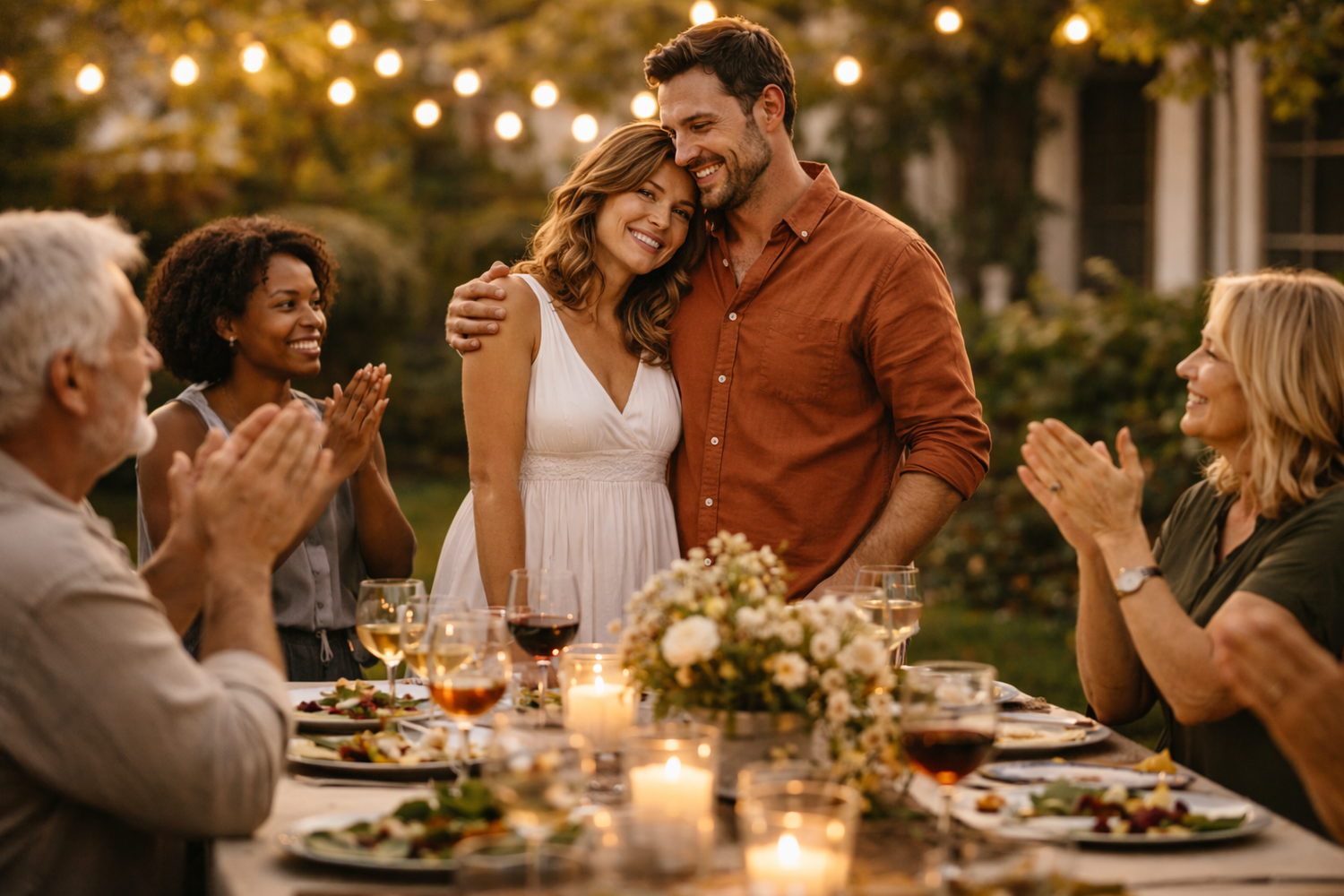
A milestone birthday. A team offsite. A rehearsal dinner. You want a restaurant with a private space, and you want to know what it costs before you fill out a single inquiry form.
Every venue website says "contact us for pricing." This page gives you the answer.
We have booked thousands of private events at restaurants and bars across the country, from 8-person wine dinners in Napa to 300-guest buyouts in Manhattan. We have seen what drives the price up, what brings it down, and why the number on your final invoice almost never matches the number on the website.
Here is how private event pricing works, what the ranges look like in major cities, and what to watch for before you sign anything.
Understanding the numbers
How Restaurant Event Pricing Works
Private event pricing at restaurants works differently from booking a table. Most venues use one of three models. Knowing which one you are dealing with changes how you plan and what you negotiate.
The Food & Beverage Minimum
The most common model. There is no room fee. Instead, the venue sets a minimum your group must spend on food and drinks. If the minimum is $3,000 and your group spends $2,400, you pay $3,000. If you spend $3,600, you pay $3,600. The minimum is the floor, not the budget.
In practice
A $2,500 minimum on a Friday in San Francisco becomes roughly $3,300 after a 22% service charge and 8.625% tax. That gap between the stated minimum and the actual total is where most hosts get caught off guard.
The Room Rental Fee
Some venues charge a flat fee for the space, with food and beverage billed separately. Room fees run from $500 for a small area on a Tuesday to $5,000+ for a prime room on a Saturday. Watch the fine print: many venues layer a food and beverage minimum on top of the room fee. A "$1,000 rental + $2,000 F&B minimum" is a $3,000 commitment before tax and service, not a $1,000 one.
The Full Buyout
You rent the entire restaurant. It closes to the public for your event. A neighborhood spot in Denver might do a weekday buyout for $5,000. A high-profile restaurant in Manhattan or West Hollywood can start at $25,000 on a Saturday. Buyouts almost always include a food and beverage minimum on top of the rental. The rental secures exclusivity. The minimum covers the food.
What catches people
Tax and service charges are never included in the quoted minimum or rental fee. On a $5,000 minimum, expect to pay $6,400 to $6,800 after a 20% service charge and local tax. Budget 30 to 35 percent above the stated minimum to land on a realistic total.
What it costs where you are
Private Event Pricing by City
These ranges are based on real bookings at mid-range to upscale restaurants. They reflect food and beverage minimums for a private or semi-private room on a Friday or Saturday evening. Weekday pricing is typically 20 to 40 percent lower.
New York City
| Group Size | Typical F&B Minimum | Realistic Total |
|---|---|---|
| 15–25 guests | $2,000–$5,000 | $2,700–$6,800 |
| 30–50 guests | $5,000–$12,000 | $6,800–$16,000 |
| 75–150 guests | $10,000–$30,000+ | $13,500–$40,000+ |
Manhattan private dining rooms carry the highest minimums nationally. Brooklyn and Queens offer 30–40% lower thresholds for comparable spaces.
San Francisco
| Group Size | Typical F&B Minimum | Realistic Total |
|---|---|---|
| 15–25 guests | $1,500–$3,500 | $2,000–$4,700 |
| 30–50 guests | $3,000–$8,000 | $4,000–$10,800 |
| 75–150 guests | $8,000–$20,000+ | $10,800–$27,000+ |
Service charges in SF average 20–22%, higher than most cities. Always confirm whether the charge goes to staff or the house.
Los Angeles
| Group Size | Typical F&B Minimum | Realistic Total |
|---|---|---|
| 15–25 guests | $1,500–$4,000 | $2,000–$5,400 |
| 30–50 guests | $3,500–$10,000 | $4,700–$13,500 |
| 75–150 guests | $8,000–$25,000+ | $10,800–$34,000+ |
LA pricing swings widely by neighborhood. A Silver Lake bistro and a Beverly Hills steakhouse serve the same city but operate in different universes.
Denver
| Group Size | Typical F&B Minimum | Realistic Total |
|---|---|---|
| 15–25 guests | $1,000–$2,500 | $1,300–$3,300 |
| 30–50 guests | $2,500–$6,000 | $3,300–$8,000 |
| 75–150 guests | $5,000–$15,000 | $6,700–$20,000 |
Salt Lake City
| Group Size | Typical F&B Minimum | Realistic Total |
|---|---|---|
| 15–25 guests | $800–$2,000 | $1,050–$2,700 |
| 30–50 guests | $2,000–$5,000 | $2,700–$6,700 |
| 75–150 guests | $4,000–$12,000 | $5,400–$16,000 |
Liquor laws in Utah affect pricing models. Some venues structure events around food-only minimums with beverage packages priced separately.
Washington, D.C.
| Group Size | Typical F&B Minimum | Realistic Total |
|---|---|---|
| 15–25 guests | $1,500–$4,000 | $2,000–$5,400 |
| 30–50 guests | $3,500–$9,000 | $4,700–$12,000 |
| 75–150 guests | $8,000–$22,000+ | $10,800–$30,000+ |
Chicago
| Group Size | Typical F&B Minimum | Realistic Total |
|---|---|---|
| 15–25 guests | $1,200–$3,000 | $1,600–$4,000 |
| 30–50 guests | $3,000–$7,500 | $4,000–$10,000 |
| 75–150 guests | $6,000–$18,000 | $8,000–$24,000 |
Austin
| Group Size | Typical F&B Minimum | Realistic Total |
|---|---|---|
| 15–25 guests | $1,000–$2,500 | $1,300–$3,300 |
| 30–50 guests | $2,500–$6,000 | $3,300–$8,000 |
| 75–150 guests | $5,000–$15,000 | $6,700–$20,000 |
Seattle
| Group Size | Typical F&B Minimum | Realistic Total |
|---|---|---|
| 15–25 guests | $1,500–$3,500 | $2,000–$4,700 |
| 30–50 guests | $3,000–$8,000 | $4,000–$10,800 |
| 75–150 guests | $7,000–$18,000 | $9,400–$24,000 |
What moves the price
Five Factors That Change What You Pay
1. Day of week
A Saturday night commands the highest minimums because the venue is sacrificing its most profitable regular-service night. Tuesday through Thursday are typically 20 to 40 percent lower. Sunday is the most underrated option: many restaurants are slower, kitchens are fully staffed, and you get the venue's best attention.
2. Season
October through mid-December is peak private event season. Minimums rise 15 to 30 percent. Corporate holiday parties and end-of-year celebrations compress nearly half the year's private event demand into ten weeks. January through March is the valley: lower minimums, more flexible terms, and venues that will negotiate on things they would not touch in November.
3. Guest count relative to space
A room that holds 60 will have a higher minimum than a room that holds 25, regardless of how many people you bring. If your group of 20 books the 60-person room because the 25-person room is taken, you pay for the bigger room. Always ask what size space your group actually needs, and whether a smaller room is available.

4. Open bar vs. consumption bar
Open bar (hosted) means you pay for everything your guests drink, usually at a flat per-person rate or on consumption. Consumption bar means you pay for what is actually consumed, with a tab that closes when you say it closes. The average guest drinks 2.1 drinks per hour for the first two hours, then it drops to 1.4. For a 40-person, 3-hour cocktail reception, that is roughly 280 drinks. At $14 average per drink, that is $3,920 in bar spend alone. A capped consumption bar is often the smarter move: you set a limit, and when it is hit, guests switch to cash.
5. AV and production needs
A microphone, a screen, a projector, a playlist through the house speakers. Most venues can handle basic AV for free or a small fee ($100 to $300). The moment you need a dedicated sound system, staging, or lighting beyond what the room has, costs jump. Outside AV vendors typically start at $800. If your event requires speeches or presentations, confirm the room's AV setup before you sign. Discovering the room has no screen after you have committed is an expensive problem to solve.
Want a quick estimate for your event?
Plug in your details and get a realistic budget range in 60 seconds.
Try the Budget CalculatorCommon questions
What Hosts Ask Us Most
Is a deposit required to hold the room?
Almost always, yes. Most venues require a space reservation fee, typically 25 to 50 percent of the estimated food and beverage minimum, to confirm the booking. This is applied toward your final bill, not an additional charge. Some venues offer generous cancellation terms (full refund if cancelled 30+ days out). Others keep the full amount. Read the terms before you sign.
Can I bring my own wine or cake?
Wine, sometimes. Cake, usually yes. Corkage fees for wine typically range from $25 to $75 per bottle, and most venues limit the number of bottles you can bring. Outside desserts are more commonly allowed, often with a small plating fee ($2 to $5 per person). Some restaurants will not permit any outside food or beverage. Ask early.
Pre-set menu or order from the regular menu?
Pre-set, almost always. It costs less per person, keeps service on schedule, and creates a shared experience. A la carte only makes sense for groups under 12 where the regular menu is the draw.
What is the difference between private and semi-private?
A private room has walls and a door. Semi-private is a section separated by a partition, curtain, or distance. Semi-private works for casual celebrations. It does not work for speeches or presentations. Ask for a photo of the actual setup before you commit.
Do I need to tip on top of the service charge?
It depends on whether the service charge goes to the staff. Ask. If the service charge is a house fee, consider tipping the servers and bartender directly. If you would tip 20% at a regular dinner and the service charge is already 20%, you do not need to add more, as long as that charge is going to the team. If it is not, $100 to $300 in cash split among the servers and bartender is a thoughtful gesture.
How far in advance should I book?
For Friday or Saturday events: 4 to 8 weeks minimum, 3 to 6 months for peak season (October through December). Weekday events can often be booked 2 to 4 weeks out. Rehearsal dinners and weddings: start looking 4 to 6 months ahead. The earlier you reach out, the more options you have. The best rooms go first.
Ready to find the right space?
Tell us what you are planning. We match you with restaurants that fit your group, your style, and the kind of evening you want to create.
Tell us what you're planningWe respond within one business day. Real people, not a chatbot.