HOLIDAY PARTY GUIDE
How to Plan a Holiday Party That People Actually Want to Attend
The venue, the timing, the budget, and the details that turn an obligation into the best night of the quarter.
Every year it starts the same way. Someone in the office asks "are we doing a holiday party this year?" and within 48 hours the person with the least bandwidth gets the assignment. If that person is you, here is the reality: every other company in your city is looking for the same rooms, on the same dates, at the same time. The best venues booked their December Fridays in September. The second-best booked in October.
This is not meant to stress you out. It is meant to clarify the timeline. Holiday party planning operates on a different calendar than every other event type, and the single biggest factor in whether your party is great or merely fine is when you started looking.
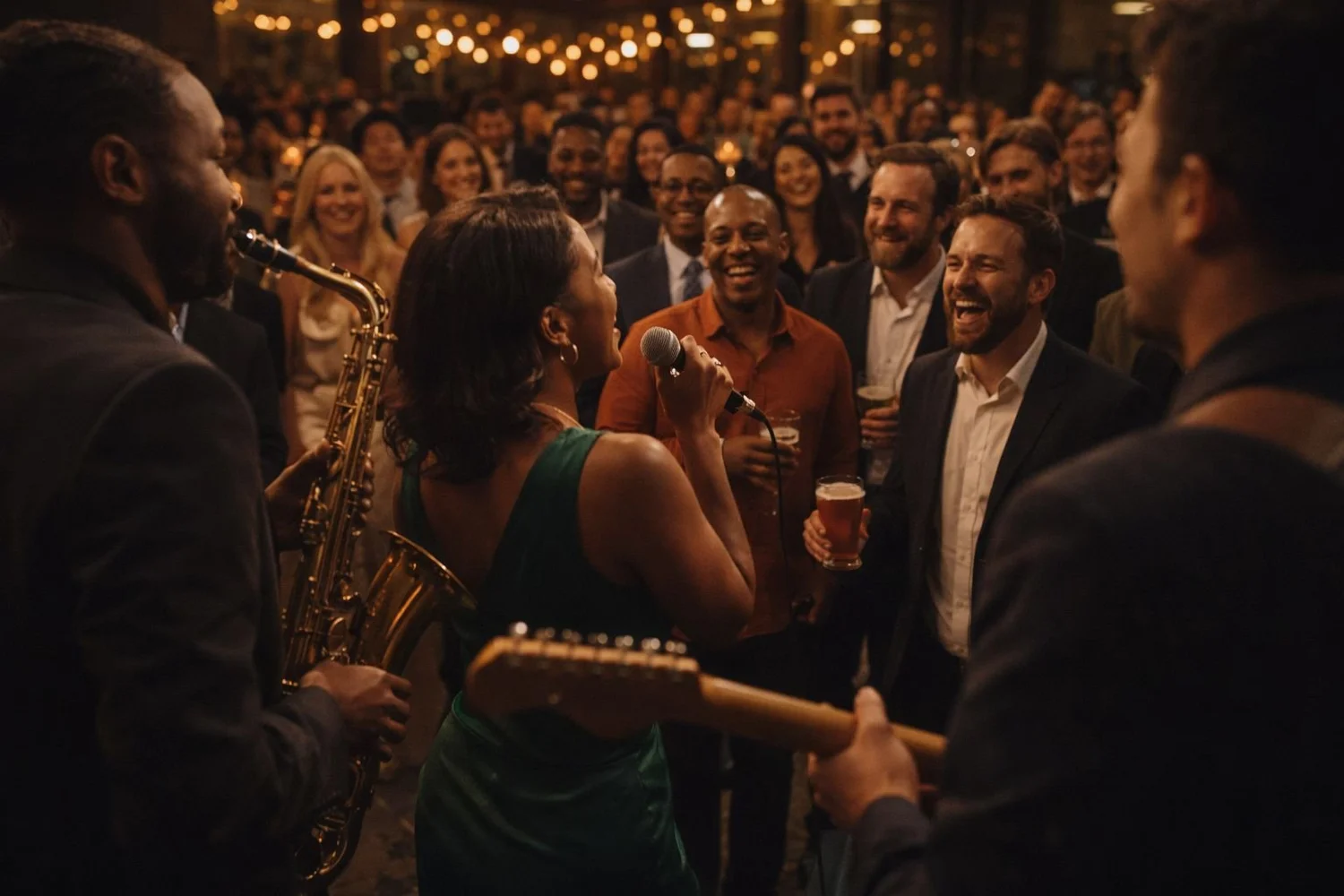
The second biggest factor is where you look. The hotel banquet hall is one option. But the events people still talk about in February happened at the restaurant with the incredible wine cellar, the gallery with the string lights and the DJ in the corner, the brewery with the private mezzanine, the rooftop bar that put up heaters and blankets and made it feel like a winter wonderland. The space becomes the story. When the venue has character, the party does not need a theme.
THE CALENDAR
When to Start Planning (and What Happens If You Wait)
August and September: the early window
This is when the most desirable venues open their December calendars. Popular restaurants, galleries, breweries, and unique event spaces start fielding inquiries in late August. By mid-September, Friday and Saturday evenings in the first three weeks of December begin to fill. If your party is for 40 or more people, or if you want a specific venue, this is your window. You will have the widest selection, the most negotiating room on pricing, and enough time to lock in details without pressure.
October: the action window
Most corporate holiday party bookings happen in October. If you are starting here, you are in good shape but the clock is running. Popular venues will have fewer Friday options. Saturday availability will depend on the venue type. Restaurants that do private events alongside regular dinner service have more flexibility than galleries or spaces that book one event per night. Start reaching out now and be ready to confirm quickly. The venue that emails you back first is not being pushy. They are being responsive because their calendar is filling.
November: the scramble
If you are reading this in November and have not booked, do not panic. Options exist, but they require flexibility. The prime Friday and Saturday nights in early-to-mid December are likely gone at the venues everyone knows. What is still available: weeknight dates (Tuesday through Thursday parties are underrated and your team will actually attend), mid-January "holiday" parties (increasingly common, zero competition for rooms), and venues slightly outside the obvious neighborhoods. A restaurant in a residential neighborhood may have a beautiful private room that the downtown crowd never considers.
THE INSIDER MOVE
The companies that throw the best holiday parties book the same venue every year. They confirm the following December before the current one ends. The venue holds the date because the revenue is predictable. The planner's job shrinks to "same room, update the headcount, adjust the menu." If you find a venue that works, ask about booking next year before you leave.
December: what is left
If you are booking in December for December, your options are limited but not zero. Lunch parties. Weeknight cocktail hours. January dates positioned as the kickoff to the new year rather than the end of the old one. Some venues have cancellations that open up unexpectedly. Tell us what you need and when, and we will search across our network for what is genuinely available.
FORMATS AND VENUES
Choosing the Right Format for Your Group
The size of your group determines the format. The format determines the venue type. Getting this sequence right saves you from falling in love with a space that does not actually work for your party.
The team dinner (10 to 30 people)
A seated dinner in a private room at a restaurant. This is the format for small companies, individual departments, and leadership teams. The group sits at one or two long tables. There are toasts. The food is excellent. The evening has a rhythm: cocktails, dinner, dessert, and people linger because the room is comfortable and the conversation is good. Food and beverage minimums for this size range from $1,500 to $5,000 depending on the city and the venue.
The cocktail party (30 to 80 people)
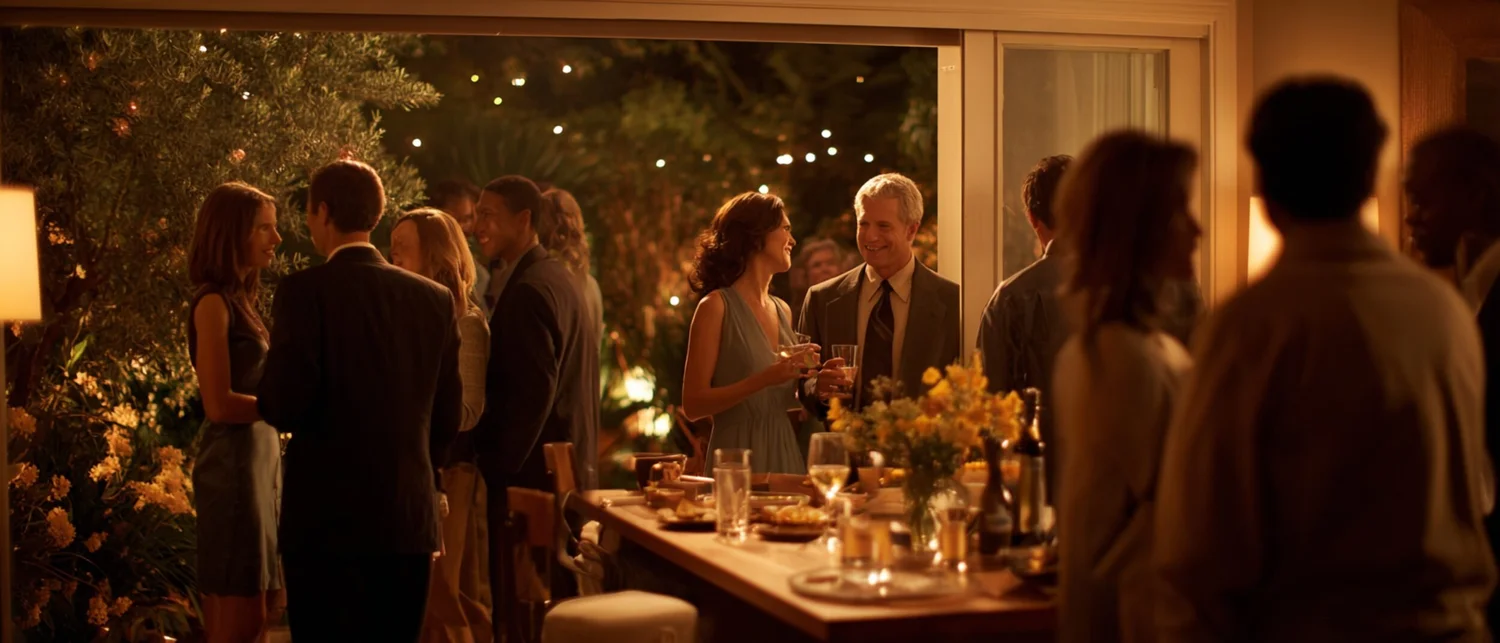
Standing format with passed appetizers, a bar, and enough space for people to move and mingle. This is the format for mid-size companies and cross-team events. The venue options expand beyond restaurants: galleries, loft spaces, photo studios, breweries with private event areas, rooftop bars. The cocktail format works because it does not require everyone to be seated or committed to a three-hour dinner. People arrive, circulate, eat, drink, and leave when they are ready. Budget is typically $75 to $150 per person depending on the bar package and food.
The full buyout (80 to 200+ people)
You rent the entire venue for the evening. The restaurant closes to the public, or the event space is exclusively yours. This is the format for large companies or organizations throwing one party for everyone. Buyouts give you full control of the music, the layout, the timing, and the atmosphere. They also come with the highest price tag: $10,000 to $50,000 or more, depending on the venue, the city, and the night. The best buyouts happen at places your guests would choose to go on their own. A restaurant they have been wanting to try. A venue they have seen on social media. The "we rented out the whole place" factor does real work.
The non-traditional venue party
An art gallery with a DJ and passed champagne. A brewery with a tasting flight and a food truck in the courtyard. A historic building with exposed brick and string lights. A photo studio with white walls and cocktail stations. A speakeasy you enter through a bookshelf. These venues have something a hotel ballroom does not: a story. Your guests walk in and immediately know someone chose this on purpose. The space does the decorating. The surprise does the entertainment. Some of the most memorable holiday parties we have worked on happened in venues that were not designed for events at all. They were designed to be interesting, and the event followed.
The holiday party everyone remembers is never the one with the biggest budget. It is the one where someone chose a space that made people say "how did you find this place?"

Looking for the right venue for your holiday party?
Tell us the headcount, the date range, and the budget. We will come back with venues that fit, including spaces you would not find on your own.
Tell us what you're planningTHE BAR QUESTION
Open Bar, Hosted Bar, Cash Bar: What to Actually Do
The bar is the single line item that causes the most confusion and the most budget anxiety. Here is how it works.
Open bar (hosted bar)
The company pays for all drinks. Guests order whatever they want. This is the standard for corporate holiday parties and the expectation at most company events. It can be structured two ways: a flat per-person rate (typically $40 to $75 per person for 2 to 3 hours, depending on the city and the tier of liquor) or consumption-based billing (you pay for what the group actually drinks, tallied at the end). Per-person is more predictable. Consumption is sometimes cheaper for groups that drink moderately. Ask the venue which they offer and model both scenarios against your headcount.
Limited open bar
The company pays for beer, wine, and a signature cocktail. Guests who want premium spirits pay the difference. This saves 20 to 30% over a full open bar while still feeling generous. A well-chosen signature cocktail (one spirit-forward, one lighter or sparkling) gives the bar personality without the full cost of an unlimited menu. This is the option most mid-size companies use and most guests do not notice the difference.
Cash bar
Guests pay for their own drinks. For a corporate event, this should be a last resort. It changes the energy of the evening. If the budget cannot support a full open bar, a limited hosted bar with a drink ticket system (two or three drinks per person included, then cash) preserves the generosity while capping the spend. The venue can set this up easily.
Non-alcoholic options matter
The number of guests who do not drink alcohol at any given event is larger than most hosts expect. A bar that offers only soda and water as non-alcoholic options makes those guests feel like an afterthought. Ask the venue about mocktails, non-alcoholic beer and wine, specialty sodas, and fresh juice options. A thoughtful non-alcoholic menu signals that the party was planned for everyone, not just the people who drink.
GETTING THE DETAILS RIGHT
The Logistics Nobody Talks About Until They Become Problems
Dietary restrictions at scale
A party of 15 can handle dietary needs with a quick conversation. A party of 60 requires a system. Send a form with the invitation asking about allergies, dietary restrictions, and preferences. Share the results with the venue at least one week before the event. A good events team will build the menu around the restrictions rather than offering a separate "special" plate that makes vegetarian and allergy guests feel singled out. Family-style and station-based formats handle dietary diversity better than plated dinners because guests choose what works for them.
The plus-one question
Decide this early and communicate it clearly. Plus-ones increase the headcount by 30 to 50%, which changes the venue size, the budget, and the energy of the room. A 40-person team dinner with partners becomes an 60 to 70-person cocktail party. Neither format is wrong, but they are different events. If you want the party to feel like a team celebration, keep it team-only. If you want it to feel like a social evening, include partners. Both work. The mistake is deciding late and scrambling to adjust.
Music and entertainment
A holiday party does not need a DJ, a band, or a photo booth to be great. But it does need to not be silent. At minimum, confirm the venue has a sound system and ask whether you can connect a phone or playlist. For cocktail-format parties of 50 or more, a DJ or curated playlist through a proper speaker setup keeps the energy right without requiring anyone to manage it. Photo booths are fun but optional. A corner with good lighting and a simple backdrop (the venue's own decor often works) accomplishes the same thing for free.
Coat check and arrivals
December events mean winter coats, and 60 coats piled on a chair in the corner look terrible and create chaos at the end of the night. Ask the venue if they have coat check service (staffed or self-serve with a rack and hangers). If not, designate a separate area away from the party space. For arrival flow, confirm whether the venue has a host or check-in point so guests know where to go when they walk in.
Invoicing and expense reporting
If the bill goes through corporate finance, tell the venue when you book. Ask for an itemized invoice with the company name, food and beverage subtotals, bar costs, room fees, service charges, tax, and total. Request the invoice in advance if your company requires pre-approval, or within 48 hours of the event if finance reconciles after. A clear invoice prevents weeks of back-and-forth between you, your finance team, and the venue.
THE RULE OF THUMB
The holiday party planner's job is to make two decisions well: the venue and the format. Everything else follows from those two choices. The venue determines the food, the bar, the layout, and the atmosphere. The format determines the budget, the headcount, and the timing. Get those two right and the rest is details.

COMMON QUESTIONS
Holiday Party FAQs
Give Your Team the Party They Deserve
Tell us the headcount, the date range, and the vibe. We will come back with venues that make you look like you planned this for months, even if you started yesterday.
Tell us what you're planningReal people, not a chatbot. We respond fast.