MEETINGS & OFFSITES
How to Book a Great Venue for a Team Meeting or Offsite
The room shapes the work. Here is how to find one that makes the day worth showing up for.
Someone on your team has been asked to find a space. Maybe it is you. The brief is vague: "find us somewhere for an offsite," "book a room for the leadership meeting," "we need a space for 15 on Tuesday." The calendar invite goes out before the room is booked, and now there is a deadline attached to a search you have not started.
The default move is a hotel meeting room or a coworking day pass. Both work in the narrowest sense. The chairs face the right direction. There is a projector. But want more.
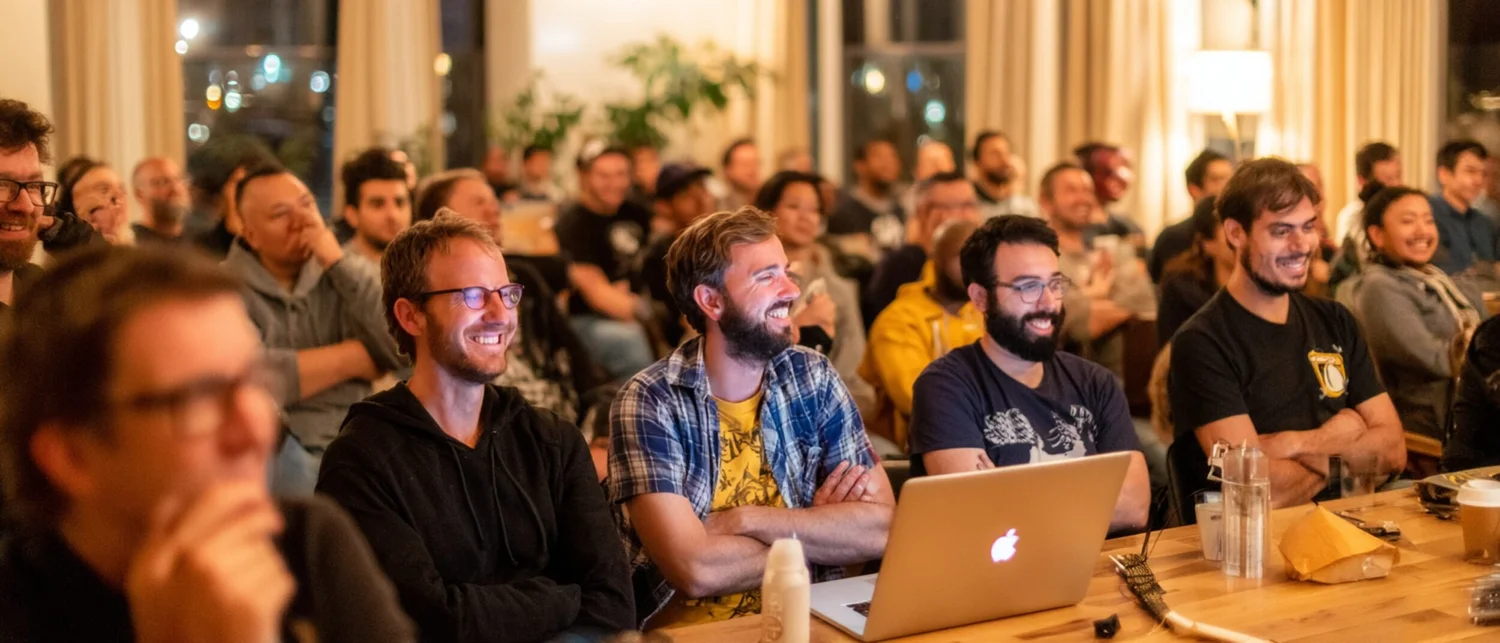
A unique venue or private event room is a different category. The food is real. The coffee keeps coming. The room has character. When the working session ends and the group transitions to dinner or drinks, nobody needs to get in a car. The day has a natural arc instead of a hard stop. This is not a small thing. For distributed teams who see each other once a quarter, or leadership groups making decisions that need real conversation, the space is part of the outcome.
This guide is for the person doing the booking. Whether it is your first time or your two hundredth, here is what to ask for, what to look out for, and what will make the logistics disappear so the meeting can do its job.

THE CASE FOR A RESTAURANT
Why the Best Meetings Happen Outside the Office
There is a reason leadership retreats do not happen in the office. The same room where people sit through status updates on Monday does not produce different thinking on Tuesday. The environment has to change for the conversation to change.
A private room, often in a restaurant or gallery, does this without requiring a multi-day retreat, a flight, or a budget that needs board approval. It takes the team out of their routine, puts them in a space that someone designed to feel good, and gives them food and drink that nobody had to order from a delivery app.
The food matters more than you think
In a hotel meeting room, lunch is a tray of sandwiches under cling wrap. In a coworking space, lunch is everyone scattering to find something within a 10-minute window. In a restaurant, lunch is part of the day. The kitchen handles it. The timing fits around your agenda. Nobody leaves to get food. Nobody returns late. The meal becomes a natural pause in the work, not an interruption of it.
For a full-day offsite, this compounds. Breakfast and coffee on arrival. A mid-morning refresh. Lunch. An afternoon snack. These are not catering expenses. They are the difference between a group that fades at 2 p.m. and a group that stays sharp until 5.
The room sends a message
Where you hold a meeting tells the attendees what you think of the meeting. A boardroom says "this is business." A hotel function room says "this was available." A restaurant with a private room, good design, and a menu worth talking about says "this day mattered enough to choose somewhere good."
That signal matters for client-facing meetings, board dinners, investor updates, and recruiting events. It also matters internally. A team that gets pulled out of the office for a day of planning in a space the company clearly selected with care comes back feeling like the company invested in them, not just in the agenda.
The day does not end when the work does
One of the most underrated advantages of holding a meeting at a restaurant is what happens after. The working session wraps at 5. Dinner is in the same building. Nobody checks their phone for restaurant suggestions. Nobody waits for a rideshare. The group moves from the private room to the bar, or stays in the room while the table is reset for dinner. The transition from work to social is seamless, and that transition is where relationships actually form.
For distributed teams that fly in for a quarterly meetup, this is everything. The dinner is not a separate logistics exercise. It is a continuation of the day, in a place everyone already likes because they have been there since morning.
IN PRACTICE
A 12-person leadership team books the same restaurant in SF every quarter. They arrive at 9 a.m. for coffee. Work until noon. Lunch in the room. Work until 4. The private room converts to dinner at 6:30. The restaurant knows their coffee order, their dietary restrictions, and which board member always wants the corner seat. The team stopped comparing it to other offsites because nothing else comes close.
THE LOGISTICS THAT MATTER
What to Ask Before You Book
The difference between a meeting that runs smoothly and one that creates problems is almost always logistics the organizer either confirmed or forgot to confirm. Here is the checklist.
Wi-Fi: speed and reliability, not just availability
Every venue will say they have Wi-Fi. That is not the question. The question is whether it can handle 15 people on a video call, or 10 laptops streaming a shared document simultaneously, or a presentation running off a cloud platform. Ask for the network name and whether there is a dedicated connection for the private room or a shared one with the dining floor. If reliable internet is critical to your meeting, test it during a site visit or ask the venue to run a speed test. A room with fast, stable Wi-Fi is worth more than a room with better decor and a network that drops every 20 minutes.
Power: outlets and access
A four-hour working session with 12 laptops will drain batteries. Ask how many outlets are in the room and where they are. Some private rooms were designed for dining, not working, which means outlets may be along the baseboards or behind furniture. If the room does not have enough accessible power, ask if the venue has extension cords or power strips available. Bring your own if the answer is uncertain.
Screen, projector, and connectivity
If your meeting involves a presentation, a shared screen, or a video call with remote participants, confirm the AV setup in advance. What size is the screen? Is there an HDMI input, or do you need an adapter? Is there a built-in speaker system or will you need a portable Bluetooth speaker for audio? Can the room be dimmed for a projector without going completely dark? These details feel minor in the planning stage and become the entire conversation when they do not work on the day.
Coffee service that does not stop at 10 a.m.
This is the detail that separates a restaurant private room from a hotel meeting room. At a hotel, the coffee station is a silver urn that was full at 8 a.m. and lukewarm by 10. At a restaurant, coffee can be refreshed on request throughout the day. Ask whether the venue offers continuous coffee and tea service, whether espresso drinks are available, and whether there is a cost per person or a flat rate. For a full-day meeting, continuous hot coffee is not a luxury. It is infrastructure.
Room layout and flexibility
A boardroom setup (one long table, everyone facing center) works for structured discussions. A U-shape or hollow square works for presentations with Q&A. Rounds work for breakout discussions. Not every private room can reconfigure. Some have a single fixed table. Others have modular furniture that the staff will rearrange for you. Ask what is possible before you book, especially if your agenda includes multiple formats throughout the day.
Breakout space and fresh air
A full day in one room, no matter how good the room, wears people down. The best restaurant meeting venues have a natural release valve: a bar area where people can grab a drink during a break, a patio where they can step outside, a lounge where a small group can have a sidebar conversation without leaving the building. If your offsite runs longer than four hours, proximity to a second space is not a nice-to-have. It is what keeps the afternoon productive.
Proximity to hotels and transit
If people are traveling for this meeting, the venue should be easy to reach. Near the team's hotel. Near a major transit stop. In a neighborhood with rideshare availability. A beautiful restaurant 40 minutes from where most attendees are staying adds friction that undermines the entire point of choosing a good venue. If the team is staying overnight, pick a restaurant within walking distance of the hotel. The walk between sessions and dinner becomes part of the experience instead of a logistical problem.
For a full breakdown of private room pricing and what to expect on the bill, see our private event cost guide.
Planning a team meeting or offsite?
Tell us the date, headcount, and what the day needs to accomplish. We will match you with rooms that handle the logistics so you can focus on the agenda.
Tell us what you're planningFORMATS
Seven Meeting Formats That Work in a Restaurant
The half-day working session
9 a.m. to 1 p.m. or 1 to 5 p.m. Coffee on arrival, a working session, and lunch to close. This is the most common format for teams that do not need a full day but need more than a conference call. Works for quarterly planning, project kickoffs, and post-mortem reviews. The lunch is a reward for the work, not a distraction from it.
The full-day offsite
9 a.m. to 5 p.m. with breakfast, a mid-morning break, working lunch, and afternoon snack. This is the format for annual planning, strategy days, and team-building that actually involves building something. The venue handles the food cadence. You handle the agenda. The day ends, and dinner starts in the same building or the same block.
The breakfast kickoff
7:30 to 10 a.m. A working breakfast for leadership teams, board committees, or cross-functional groups that need to align before the workday starts. The early time slot means lower minimums and wide availability. Particularly useful for groups where everyone has packed afternoon calendars.
The lunch-and-learn
11:30 a.m. to 1:30 p.m. A presentation, a training, or a knowledge-sharing session built around a meal. The room needs a screen. The food should be pre-set or served quickly so the presentation does not compete with ordering. Prix fixe or family style is the right call. Individual ordering kills the pace.
The client or investor meeting
Any time of day. The format varies but the principle is constant: the venue is part of the message. A restaurant tells a client or investor that you are thoughtful about where you spend time and money. The food is an extension of hospitality, not a catering afterthought. If the meeting is a pitch, a negotiation, or a relationship-building moment, the room should work as hard as the deck.
The interview day
A senior candidate meets the leadership team over lunch or dinner. The restaurant setting shows the company's culture in a way no office tour can. It also levels the dynamic. A candidate across a dinner table is more relaxed and more candid than a candidate in a conference room under fluorescent light. If you are hiring for roles where culture fit matters, the venue is doing screening work that a Zoom call cannot.
The recurring quarterly
Same room, same restaurant, four times a year. Advisory board meetings, client QBRs, founder check-ins, team retrospectives. The venue becomes associated with the rhythm of the work. The staff learns your preferences. The logistics reduce to a single email: "same room, March 12, same setup." The meeting starts faster because nobody is adjusting to a new space.
The meetings people remember are the ones where the room let them do their best thinking. Not the ones where the Wi-Fi dropped during the CEO's presentation.
FOR THE REPEAT BOOKER
If You Have Done This Before
You already know the basics. You have a venue shortlist, a process for getting sign-off, and a spreadsheet of past events. Here is what separates good meeting bookings from great ones at scale.
Build a venue roster, not a shortlist
One restaurant cannot serve every meeting type. You need a venue for the 8-person leadership dinner that requires discretion, a different one for the 25-person team offsite that needs AV and breakout space, and a third for the client lunch that needs to impress without being extravagant. Build a roster of 3 to 5 restaurants across different neighborhoods, price points, and room sizes. Rotate based on the meeting's purpose, not habit.
Negotiate standing terms
If your company books private rooms quarterly or more, you have leverage. Ask for a standing rate: a consistent food and beverage minimum, a guaranteed room hold window, and a single point of contact at the venue. Some restaurants will offer a reduced or waived room fee for companies that book regularly. This is a standard arrangement in the events industry. It is not asking for a discount. It is offering predictable revenue.
Pre-build your order
For recurring meetings, create a standard food and beverage package with the venue. Coffee and pastries on arrival. Pre-set lunch. Afternoon cookies and sparkling water. The package repeats every time with minor seasonal adjustments. You stop re-planning the menu for every meeting, the kitchen knows exactly what to prepare, and the day runs on autopilot. Your only job is the agenda.
Get the invoice right the first time
If the bill needs to go through corporate expense reporting, tell the venue in advance. Ask for an itemized invoice with the company name, a PO number field if your finance team requires one, and a clear breakdown of food, beverage, room fee, service charge, and tax. Most restaurant event managers are used to producing these. The ones who do it well earn repeat business because the organizer's expense report goes through without questions.
IN PRACTICE
The best EAs and office managers we work with send us one message: "12 people, full day, March 18, same neighborhood as the hotel, need AV and continuous coffee, dinner to follow in the same room." We handle the rest. If you are doing this regularly and it still feels like a project every time, the venue search is the problem, not the planning.
COMMON QUESTIONS
Team Meeting & Offsite FAQs
Find a Room That Works as Hard as Your Team
Tell us the date, the headcount, and what the day needs. We will match you with restaurants that have the room, the food, and the logistics to make it work.
Tell us what you're planningReal people, not a chatbot. We respond fast.